
























US Exits WHO, Raises Questions Over Global Health Leadership
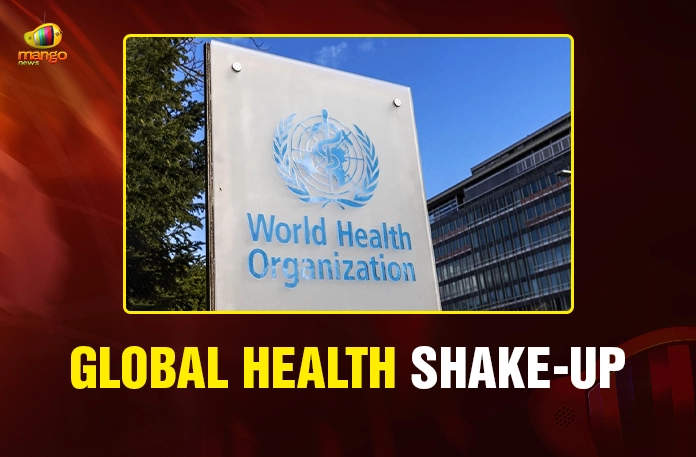
The United States has formally announced its withdrawal from the World Health Organization, citing serious concerns over the global health body’s handling of the COVID-19 pandemic and its overall governance structure. The decision marks a significant shift in America’s approach to international health cooperation and has sparked debate across diplomatic and medical circles worldwide.
According to US officials, the move stems from what they describe as systemic failures during the COVID-19 crisis, including delayed responses, lack of transparency, and an alleged inability to act independently of political influence. The administration argued that these shortcomings had a direct impact on global preparedness and response, ultimately costing lives and undermining trust in international health mechanisms.
The United States has also objected to the WHO’s funding model, arguing that it pays a disproportionately larger share than many other member nations. Officials stated that continued participation could not be justified without meaningful reforms to ensure accountability, neutrality, and effectiveness within the organization.
The decision is expected to have wide-ranging implications. Public health experts warn that a US exit could weaken coordinated global responses to future pandemics, while supporters of the move argue it may pressure the WHO to undertake long-overdue structural reforms. Several countries and international bodies have urged Washington to reconsider, emphasizing the importance of collective action in addressing global health threats.
As the world continues to grapple with evolving health challenges, the US withdrawal has reopened a larger conversation about the future of global health governance, the role of multilateral institutions, and the lessons learned from the COVID-19 pandemic.