















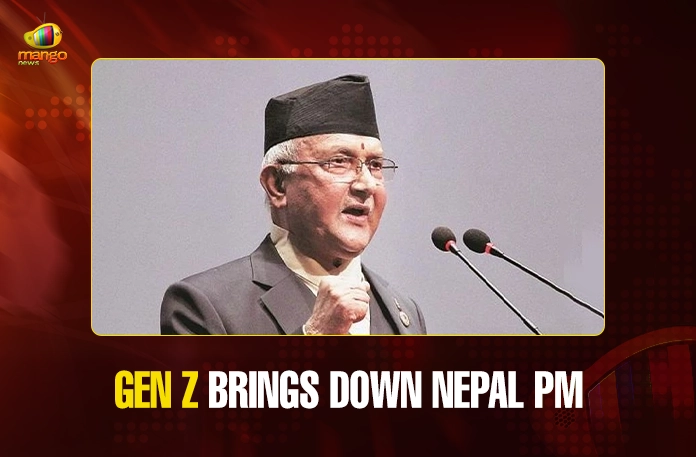
Nepal is facing its most explosive internal unrest in years as thousands—especially young people branded as “Gen Z”—took to the streets in protest against government corruption and a sweeping social media ban. The outcry turned violent, prompting Prime Minister KP Sharma Oli to resign in a bid to defuse the crisis.
The protests ignited after Kathmandu authorities blocked 26 major social media platforms—including WhatsApp, Instagram, and Facebook—citing unmet registration requirements. Critics saw this as a direct assault on free speech.
Mass demonstrations erupted across Kathmandu and other cities, with protesters storming government buildings—setting fire to the Parliament, the Nepali Congress headquarters, and residences of senior political figures. Clashes with police turned deadly; at least 22 people have died and nearly 200 injured.
Amid escalating chaos, security forces imposed a curfew. The army chief, General Ashok Raj Sigdel, issued a statement warning of potential military intervention should disorder continue—but also appealed for dialogue.
The movement lacked central leadership, yet drew widespread participation—from university students holding books in hand to ordinary citizens raising slogans like “#NepoKids” to criticize elite nepotism.
With the PM’s resignation accepted, Nepal now stands at a crossroads: whether to rebuild political trust through reforms, or risk renewed upheaval if grievances go unaddressed.