
























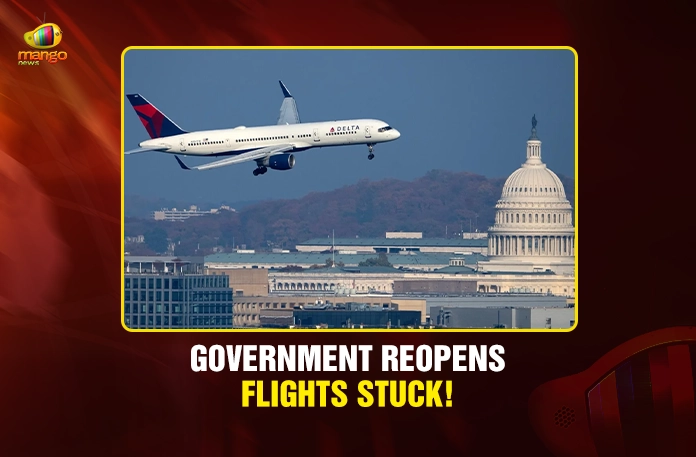
US Government Shutdown Ends After Longest Federal Closure in History
The US government shutdown ends, ending weeks of uncertainty for federal workers and millions of citizens relying on government services. Late Wednesday, Congress approved a crucial funding bill that reopened all agencies and restored operations across departments hit by the prolonged impasse.

However, while political relief arrived in Washington, chaos continues in the skies. The Federal Aviation Administration (FAA) warned that air travel disruptions would persist for several more days. Many flight controllers, inspectors, and technical staff are still returning to their posts after weeks of unpaid leave.
Airports across the country are struggling to clear backlogs created during the shutdown. Major hubs such as Atlanta, Chicago, and New York are operating with limited staff, causing widespread delays and schedule changes.
FAA Struggles to Restore Normal Flight Operations
The FAA announced that it will maintain a temporary 6% cap on flights at the busiest airports. This measure aims to ensure safety while the agency stabilizes staffing levels and system efficiency.
Airlines including Delta, American, and United are adjusting their schedules daily. Many have offered rebooking options and travel waivers to passengers affected by the ongoing flight reductions. Despite efforts to resume normal operations, thousands of travelers remain stranded or face long waiting hours at terminals.
Airlines Face Scheduling Chaos as Travel Backlog Builds Up
The shutdown’s ripple effect has hit airlines hard. With multiple federal inspections delayed and certifications pending, carriers are unable to fully restore their regular routes. The result is a patchwork schedule filled with last-minute changes and limited seat availability.
Aviation analysts note that even a short-term closure leaves a long-term impact. Rebuilding air traffic rhythm and clearing safety inspections could take up to two weeks. The FAA emphasized that while safety remains non-negotiable, restoring passenger confidence is equally vital for the travel industry.
Major Airports Operate Under Flight Restrictions and Safety Checks
Airports in major cities, including Los Angeles and Dallas, continue to operate under restricted flight numbers. The FAA teams are conducting phased safety reviews before allowing more takeoffs and landings. Airlines have responded by prioritizing essential and high-demand routes first.
Passengers Urged to Stay Alert and Travel Smart
Travelers are advised to stay updated with real-time flight information, arrive early, and plan flexible travel dates. The upcoming holiday season may further strain recovery efforts, especially as passenger volumes rise.
Despite these challenges, airline executives remain optimistic. They expect a full return to normal flight capacity within a week if federal systems remain stable.
Experts Warn Recovery Will Take Time Despite Reopening
Aviation experts caution that although operations have resumed, the shutdown’s effects won’t fade overnight. Staff fatigue, pending safety checks, and logistical hurdles could slow the return to normalcy.
Still, the reopening marks a positive step forward for the U.S. economy, restoring public trust in both governance and the aviation system. For now, passengers can finally breathe easier—but should still prepare for turbulence ahead.