
























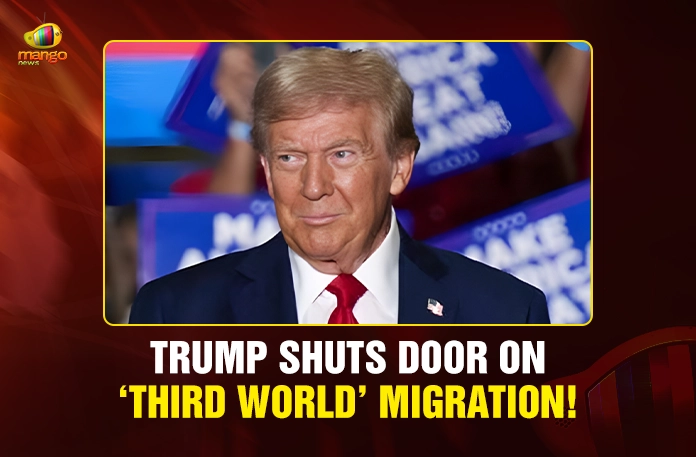
Following a fatal shooting near the White House involving an Afghan national, U.S. President Donald Trump announced a hardline shift in immigration policy. In a late-night message on his platform Truth Social, Trump declared he would “permanently pause migration from all Third World Countries” — a move he said was necessary to allow the U.S. system to “fully recover.”
Trump’s proposal goes beyond a simple moratorium. He pledged to terminate what he described as “millions of illegal admissions” made under the previous administration, end all federal benefits and subsidies for non-citizens, and denaturalize and deport those he deemed “not a net asset,” security threats, or individuals “non-compatible with Western values.”
The announcement came as the suspect in the D.C. shooting — an Afghan national who reportedly entered the U.S. through a resettlement programme after Afghanistan’s 2021 collapse — was under detention. The incident has triggered what officials now describe as a sweeping review of asylum approvals and green-card issuances from countries flagged as “countries of concern.”
Critically, Trump did not specify which nations fall under the label “Third World,” leaving the scope of the policy unclear and highly debatable. Experts note that the term is outdated, imprecise, and often misused in geopolitical discussions.
The sweeping nature of the proposal — combining policy reversals, benefit restrictions, and wide-scale deportations — raises immediate questions about its legal feasibility, constitutional validity, and humanitarian impact. Critics argue that such a move risks penalizing lawful migrants and linking migration to isolated acts of violence.
As calls grow for transparency, legal clarity, and human rights safeguards, global observers are watching closely to see how the United States balances national security priorities with its long-standing commitments to immigration rights and international obligations.