
























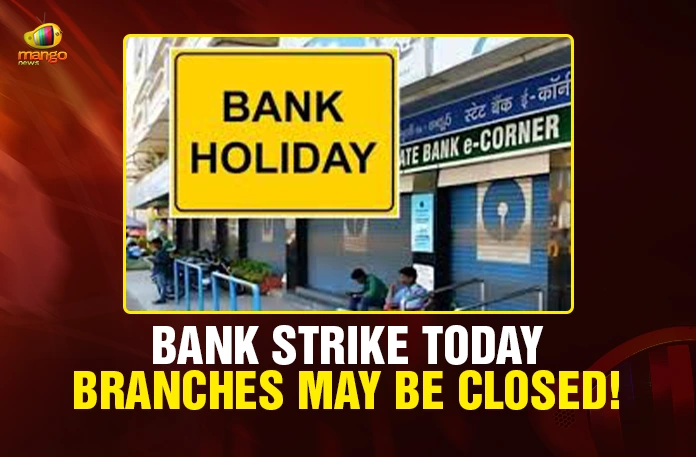
Public sector banks across India are grappling with major disruptions on Tuesday, 27 January, as employees launch a nationwide strike called by the United Forum of Bank Unions (UFBU). The action comes after months of negotiations with authorities over work conditions and has heightened concerns for customers planning banking transactions this week.
The strike focuses on bank unions’ demand for a five-day work week, including official recognition of all Saturdays as holidays. Union leaders say authorities agreed to the proposal in principle, but the government has not yet issued formal approval. Talks with the Chief Labour Commissioner earlier this month failed to produce a breakthrough, prompting unions to proceed with the walkout.
Major public sector banks such as State Bank of India (SBI), Punjab National Bank (PNB), and Bank of Baroda (BoB) will likely operate with severely limited or completely suspended branch services during the strike. Customers may face challenges with cash deposits, withdrawals, cheque clearances and other in-branch activities as on-the-ground staffing falls sharply.
While the strike adds to an already extended period without full services — following the weekend and Republic Day holidays — banks have assured customers that digital channels like internet banking, mobile apps and UPI payments will continue to operate normally. ATMs, too, are expected to function, although local cash shortages cannot be ruled out in some regions.
Public sector banks across India are grappling with major disruptions on Tuesday, 27 January, as employees launch a nationwide strike called by the United Forum of Bank Unions (UFBU). Despite this, the disruption in public sector banks underscores ongoing tensions around labor reforms in India’s banking industry and could have short-term impacts on routine customer banking.