























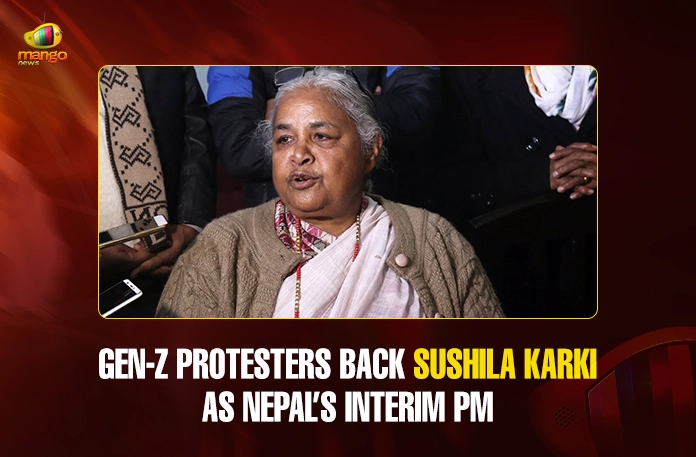
In a dramatic turn, Nepal’s former Chief Justice Sushila Karki is set to become the country’s interim Prime Minister. This move follows weeks of intense Gen-Z–led protests in Kathmandu, which forced political leaders to act quickly.
Protesters, mostly young citizens, demanded sweeping reforms, citing frustration with corruption and stalled governance. Their relentless presence on the streets shook Nepal’s political establishment, leaving leaders with little choice but to respond.
Sushila Karki’s selection is widely seen as a symbol of change. As the first woman to serve as Chief Justice of Nepal, she carries a reputation for integrity and independence. Many believe her leadership could restore trust in the system, at least during the transitional phase.
Political analysts say appointing Karki signals that parties are finally acknowledging the power of Nepal’s youth. The Gen-Z movement has been vocal, organized, and persistent—challenging the older political class in ways rarely seen before.
Observers note that her interim tenure will be crucial. Sushila Karki is expected to oversee political stability, push reforms, and guide Nepal toward fair elections. While challenges remain, the choice of a respected outsider may calm rising public anger.
The protests, which began as scattered gatherings, quickly swelled into a nationwide movement. Social media amplified voices, mobilizing thousands almost overnight. The result is clear: Nepal’s younger generation has proven it can force real change.
Karki’s appointment not only reshapes the immediate political landscape but also highlights a generational shift. The message is unmistakable—Nepal’s future will be shaped as much by its youth as by its seasoned politicians.