
























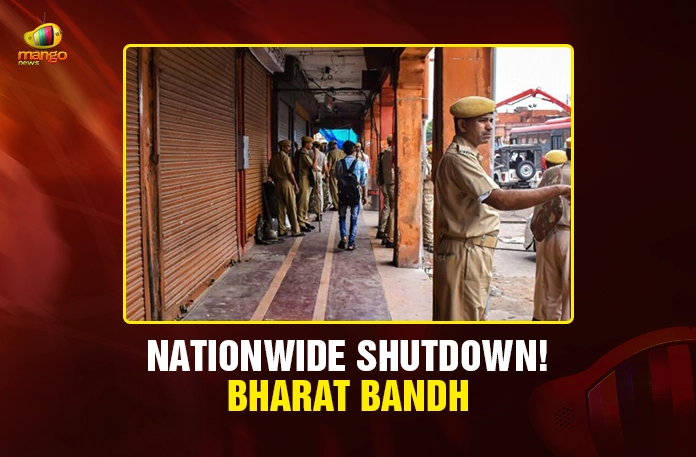
Massive ‘Bharat Bandh’ Disrupts Normal Life Across India; Banks, Transport and Markets Hit
India witnessed a large-scale Bharat Bandh on Thursday, 12 February 2026, as over ten central trade unions, joined by several farmers’ groups, led a day-long nationwide shutdown protesting recently enacted labour codes and other government policies. The bandh, which organisers say saw support from millions of workers, disrupted daily routines in many regions and triggered uncertainty over public services.
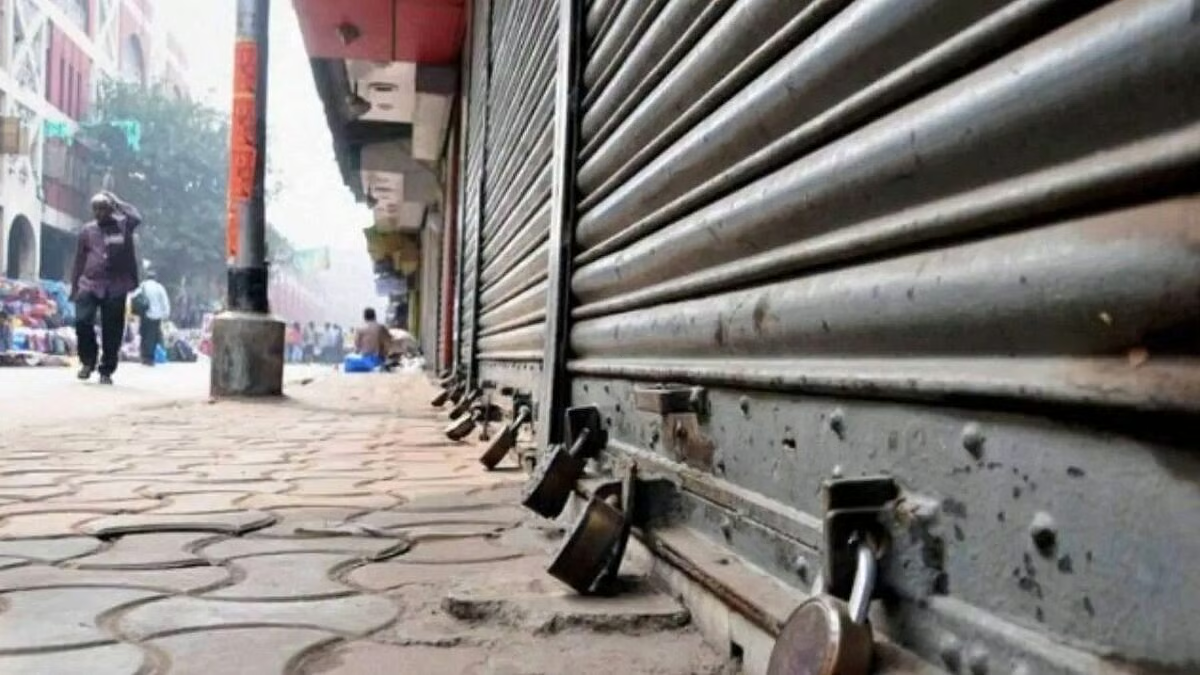
Trade union leaders have highlighted long-standing demands, including a rollback of the four new labour codes, stronger job security protections, and reforms to welfare programs. Farmers’ organisations also amplified concerns about agricultural policy decisions and trade agreements they believe could adversely affect rural incomes.
The impact varied across states. In parts of Assam and Odisha, local reports noted near-total shutdowns, with markets, road transport and small shops closing early. In contrast, many urban centres experienced lighter participation, with essential services operating at reduced capacity.
Banks and financial services were among the most visibly affected sectors. With support from banking unions, several public sector branches saw limited operations, prompting alerts from major institutions advising customers about possible disruptions. However, online banking services and ATMs remained generally functional.
Schools and colleges did not receive a nationwide holiday order; closures occurred only where local administration deemed it necessary for safety or logistical reasons. Emergency services, hospitals and airports largely continued normal operations.
Authorities maintained a strong security presence in sensitive areas to manage protests and ensure public safety, while urging citizens to check local updates before travel or errands.