






















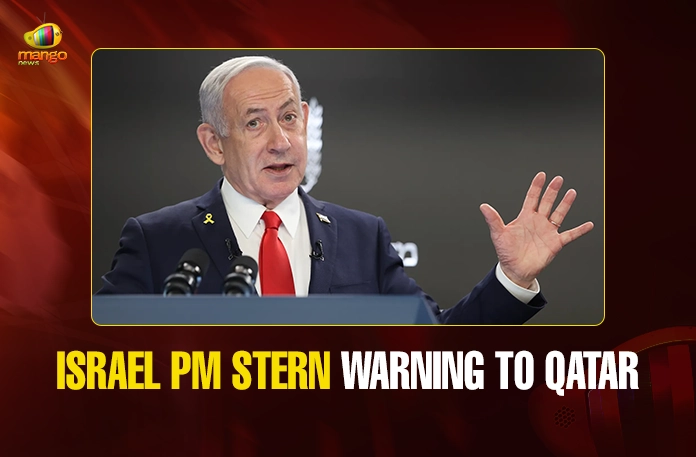
Doha/Jerusalem — Israeli Prime Minister Benjamin Netanyahu has delivered a stark warning to Qatar and other nations hosting Hamas leaders, demanding that they either expel or prosecute the group’s operatives or face Israeli action.
The warning came just a day after Israeli strikes in Doha killed five Hamas members and a Qatari security officer. Addressing a 9/11 memorial ceremony, Netanyahu accused Qatar of shielding Hamas leaders with “luxury villas, funds, and sanctuary.” He added: “You either expel them, or you bring them to justice. Because if you don’t, we will. We did it in Qatar.”
The remarks underscore a dramatic escalation in Israel’s posture, with Netanyahu drawing parallels to America’s post-9/11 global war on terror. Analysts say the statement is intended both to deter states from harboring Hamas and to justify Israel’s willingness to launch operations beyond its borders.
Qatar reacted sharply, condemning Netanyahu’s remarks as “reckless” and the strike itself as “state terror.” Prime Minister Sheikh Mohammed bin Abdulrahman al-Thani said the attack had “killed any hope” for securing hostages held in Gaza, stressing that the Hamas political office in Doha exists for internationally backed mediation purposes.
Other nations voiced concern. Russia denounced the strike as a “gross violation” of the UN Charter and Qatar’s sovereignty. Saudi Arabia, the UAE, and Jordan expressed solidarity with Doha, while Egypt warned the escalation risked destabilizing fragile regional balances.
Legal experts note the standoff highlights a collision between sovereignty and counterterror obligations. While Israel frames the action as self-defense, critics warn unilateral cross-border strikes could set troubling precedents.
With Netanyahu’s ultimatum, Israel has placed Qatar and other host nations on notice. How these states respond — compliance, resistance, or deeper confrontation — may define the next stage of the conflict and reshape Middle East diplomacy.