















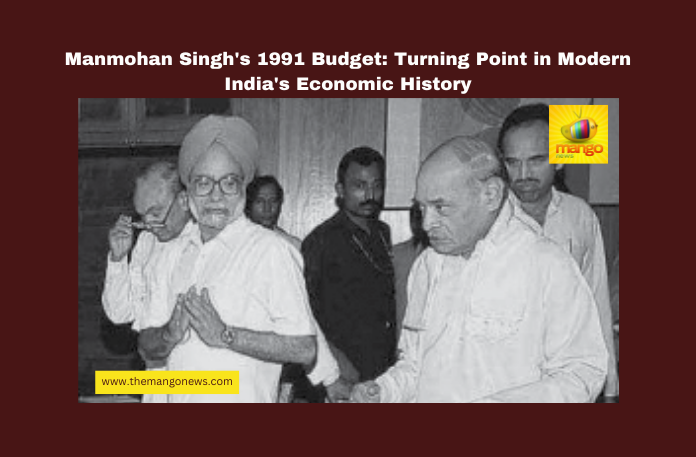
Delhi: The 1991 budget presented by then-Finance Minister Dr. Manmohan Singh marked a transformative moment in India’s economic history, but it faced strong opposition, even from within his own party. Key measures such as hikes in fertilizer, petrol, and LPG prices triggered widespread criticism, with several MPs voicing their dissatisfaction. Despite the opposition, Dr. Singh remained composed and methodically convinced his fellow members, often with limited support.
At the time, Prime Minister PV Narasimha Rao, who had appointed Singh as Finance Minister—a surprising move—entrusted him with the responsibility of steering the nation out of a severe economic crisis. The landmark budget, presented on July 24, 1991, introduced sweeping reforms aimed at liberalizing the economy. It ended the “license raj,” opened up markets, and deregulated several sectors. Singh famously described the budget as having a “human face,” defending his policies in a press conference and later at a Congress Parliamentary Party meeting on August 1.
Despite resistance, Singh, with Rao’s backing, refused to compromise on LPG and petrol price hikes, making only a slight reduction in fertilizer prices. These bold reforms stabilized India’s foreign exchange reserves and laid the foundation for sustained economic growth.