














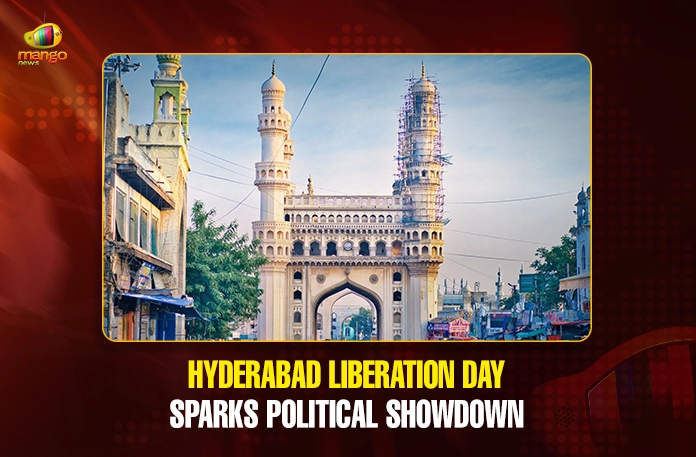
Every year on September 17, India marks Hyderabad Liberation Day—commemorating the end of the Nizam’s rule and the integration of Hyderabad State into India. The observance this year, however, is seeing sharply diverging narratives from different political camps in Telangana and at the national level.
At the centre of the controversy is how the day is being framed:
Central Government / BJP: Planning public ceremonies at the Parade Grounds, Secunderabad, with Union Defence Minister Rajnath Singh hoisting the national flag and presiding over the parade. The BJP calls it a “Liberation Day,” focusing on national identity and past injustice under the Nizam.
Revanth Reddy, the Chief Minister, will lead these events.
BRS (Bharat Rashtra Samithi) & AIMIM: Prefer to underline “National Integration,” focusing on cultural heritage and communal harmony in Hyderabad’s composite society. AIMIM is also organising a Tiranga (tricolor) bike rally and public meeting.
Left Parties, including the CPI, are invoking the “Telangana Armed Struggle,” recalling peasant resistance against the Nizam’s rule as a foundational chapter.
What this divergence reveals is not merely different ways of remembering history—but distinct political agendas. Where the Centre leans toward national symbolism and reclaiming historical narrative, state parties are shifting the lens to governance and welfare. Meanwhile, regional parties are trying to balance identity, historical justice, and social inclusion.
As Hyderabad Liberation Day unfolds, the varied themes are likely to determine what people remember—whether it’s liberation, integration, struggle or governance. The competing narratives may also influence political perceptions well beyond September 17.