

























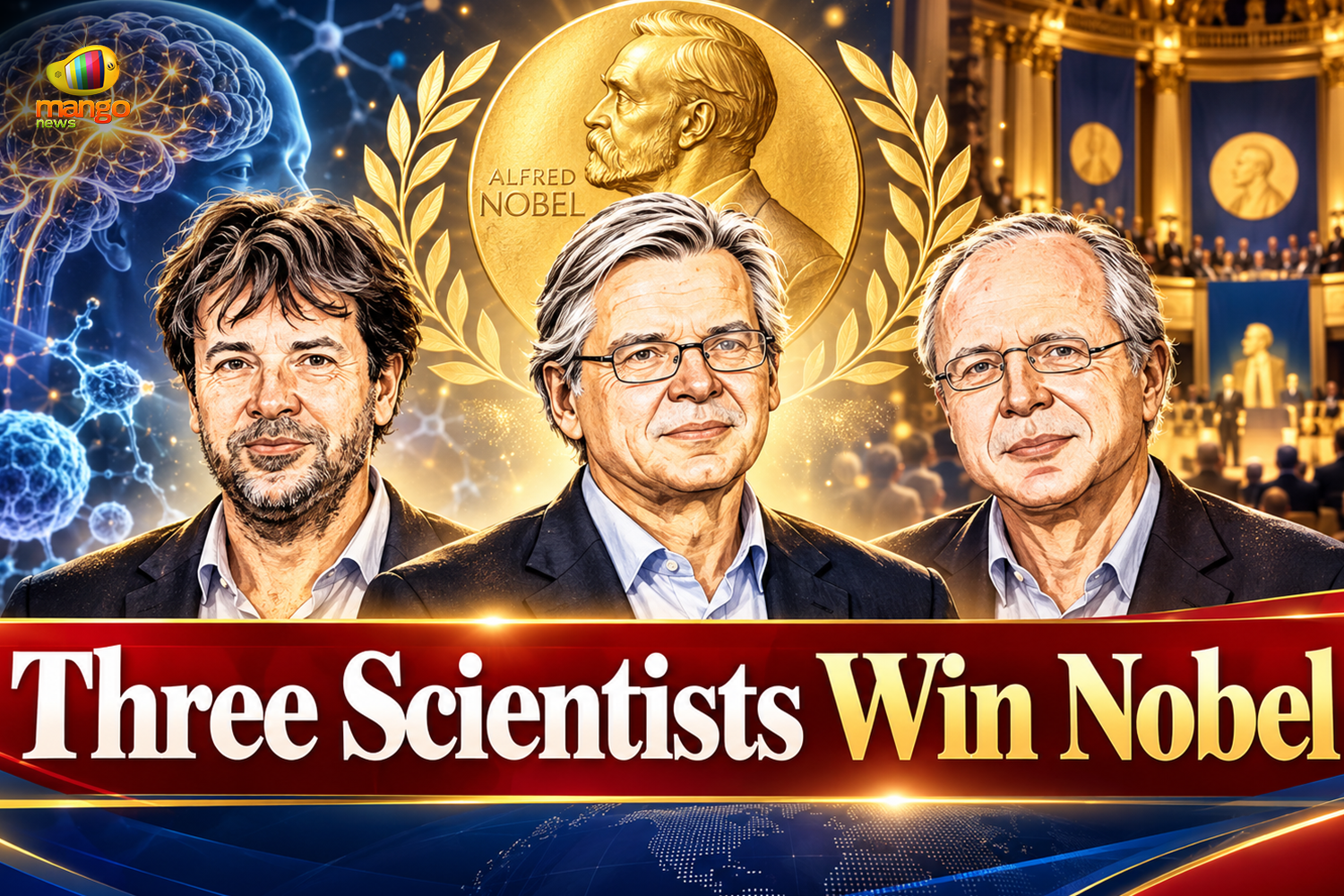
Scientists Karl Deisseroth, Peter Hegemann and Georg Nagel have won the 2026 Nobel Prize in Physiology or Medicine for their work on light-controlled cell activity.
The Nobel Assembly announced the award on Monday. Their research helped develop optogenetics, a method that allows scientists to control the activity of specific cells using light.
Their work has changed the study of the brain and nervous system. Optogenetics can help researchers switch nerve cells on or off in a living brain, allowing them to study how the brain works.
Hegemann and Nagel discovered channelrhodopsin, a protein that makes cells respond to light. Deisseroth later used the protein in nerve cells and showed that blue light could trigger nerve signals.
Deisseroth is 54 and from the United States. Hegemann, 71, and Nagel, 73, are from Germany.
The three scientists will share a prize of 12 million Swedish crowns, according to the report.
Their discoveries have opened new ways to study brain activity and understand the nervous system.